Beginning with Effective Sales Training Strategies, the narrative unfolds in a compelling and distinctive manner, drawing readers into a story that promises to be both engaging and uniquely memorable.
Effective sales training is crucial for companies looking to boost their sales performance and overall success. By implementing tailored strategies and programs, organizations can equip their sales teams with the skills and knowledge needed to excel in a competitive market. In this guide, we will explore the key elements of effective sales training strategies and how they can impact employee performance, motivation, and ultimately, the company’s bottom line.
SALES TRAINING
Sales training is crucial for a company’s success as it equips employees with the necessary skills and knowledge to effectively engage with customers, close deals, and ultimately drive revenue. A well-designed sales training program can improve sales performance, boost employee morale, and enhance customer satisfaction.
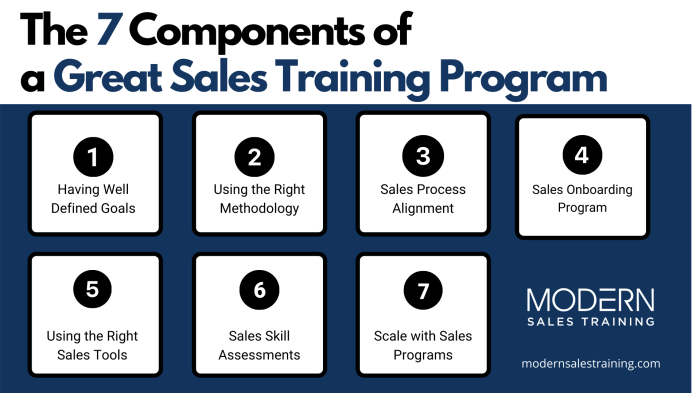
Key Elements of Effective Sales Training Programs
- Product knowledge training to ensure sales reps understand the features and benefits of the offerings.
- Effective communication and negotiation skills development to build rapport with customers and close deals.
- Sales techniques and strategies to help reps identify opportunities, overcome objections, and meet targets.
- Continuous coaching and feedback to refine skills, address weaknesses, and drive improvement.
- Role-playing exercises and real-life scenarios to practice and apply learned concepts in a safe environment.
Impact of Sales Training on Employee Performance and Motivation
Effective sales training can significantly enhance employee performance by increasing their confidence, knowledge, and skills. It can also boost motivation levels as employees feel supported, valued, and equipped to succeed in their roles. Sales training fosters a culture of continuous learning, growth, and development within the sales team.
Methods and Approaches in Sales Training Programs
- Classroom training sessions with expert trainers providing theoretical knowledge and practical insights.
- Online training modules and e-learning platforms for self-paced learning and accessibility.
- On-the-job training opportunities where reps shadow experienced colleagues and learn through hands-on experience.
- Workshops, seminars, and conferences to expose sales reps to industry trends, best practices, and networking opportunities.
- Simulations and gamification to make training interactive, engaging, and fun while reinforcing key concepts.
SALES STRATEGY

Sales strategy is a crucial component of a company’s overall success, focusing on the plan of action to achieve sales targets and objectives. It differs from sales training, which primarily deals with enhancing the skills and knowledge of sales teams. A well-defined sales strategy serves as a roadmap for the sales team to follow in order to effectively engage with customers and drive revenue growth.
Successful Sales Strategies in Different Industries
- Online Retail: Offering personalized recommendations based on customer behavior and preferences.
- Automotive: Implementing loyalty programs to encourage repeat purchases and referrals.
- Technology: Providing in-depth product demonstrations and trials to showcase value to potential clients.
- Real Estate: Leveraging social media platforms for targeted marketing campaigns to reach potential buyers.
Impact of a Well-Defined Sales Strategy on Revenue and Growth
A well-crafted sales strategy can significantly impact a company’s revenue and growth by aligning sales efforts with business goals. It helps in identifying target markets, optimizing pricing strategies, and improving customer engagement, ultimately leading to increased sales and market share.
Adapting to Market Changes and Customer Needs
A successful sales strategy should be flexible and adaptable to changing market dynamics and evolving customer preferences. By continuously analyzing market trends and customer feedback, businesses can adjust their sales approach to meet the changing demands, ensuring long-term success and competitiveness.
Effective Sales Training Strategies
When it comes to sales training strategies, effectiveness is key to ensuring that sales teams are equipped with the right skills and knowledge to drive success. A truly effective sales training strategy should be tailored to the specific needs of the sales team, focusing on practical skills development, continuous learning, and measurable outcomes.
Defining Effective Sales Training Strategies
An effective sales training strategy is one that is customized to address the unique challenges and opportunities faced by a sales team. It should incorporate a mix of theoretical knowledge and practical skills training, emphasizing not just product knowledge but also communication, negotiation, and closing techniques.
Best Practices for Designing and Implementing Sales Training Programs
- Identify specific learning objectives and goals for the training program.
- Utilize a variety of training methods, such as role-playing, workshops, and online modules.
- Provide ongoing support and coaching to reinforce learning and skill development.
- Regularly evaluate the effectiveness of the training program and make adjustments as needed.
Tailoring Sales Training Strategies for Different Sales Teams or Individuals
Not all sales teams or individuals are the same, which is why it’s essential to customize sales training strategies to meet their specific needs. This could involve adapting the training content, methods, or duration to align with the unique strengths and weaknesses of each team or individual.
Examples of Companies Excelling Due to Effective Sales Training Strategies
Companies like Salesforce, Oracle, and HubSpot are known for their exceptional sales training programs that have contributed to their success in the market. These companies invest in continuous training, skill development, and mentorship, which has helped their sales teams perform at the highest level.
Measuring Sales Training Effectiveness
When it comes to evaluating the effectiveness of sales training, there are key metrics that can provide valuable insights into the impact of the program. Feedback and continuous improvement play a crucial role in enhancing sales training initiatives and ensuring they align with the goals of the organization. Tracking and assessing the impact of sales training on sales performance is essential for measuring ROI and identifying areas for improvement.
Adjusting sales training strategies based on performance metrics is necessary to optimize outcomes and drive sales success.
Key Metrics for Evaluating Sales Training Effectiveness
- Conversion Rates: Monitoring the percentage of leads that convert into customers after receiving training can indicate the effectiveness of the program.
- Sales Cycle Length: Analyzing the time it takes for sales representatives to close deals post-training can highlight improvements in efficiency and productivity.
- Revenue Growth: Tracking the increase in sales revenue following training can demonstrate the impact on the bottom line.
- Customer Satisfaction: Measuring customer feedback and satisfaction levels post-training can reflect the quality of interactions and sales techniques.
Importance of Feedback and Continuous Improvement
Feedback from sales teams, managers, and customers is invaluable for identifying strengths and weaknesses in sales training programs. Continuous improvement based on feedback helps refine training content, delivery methods, and effectiveness, leading to better outcomes and performance.
Tracking and Assessing Impact of Sales Training
Methods such as pre- and post-training assessments, sales performance metrics, and sales team observations can be used to track and assess the impact of sales training on key performance indicators. Analyzing data and feedback allows for informed decision-making and adjustments to training strategies.
Adjusting Sales Training Strategies based on Performance Metrics
- Identifying Areas for Improvement: Reviewing performance metrics can highlight specific areas where sales training strategies need adjustment or enhancement.
- Customizing Training Content: Tailoring training programs based on performance data and feedback can address specific needs and challenges faced by sales teams.
- Ongoing Evaluation: Continuously monitoring performance metrics and adapting training strategies ensures alignment with organizational goals and objectives.
In conclusion, implementing effective sales training strategies is not just about providing information; it’s about fostering a culture of continuous learning and improvement within the sales team. By following best practices, measuring effectiveness, and adapting to changing market dynamics, companies can ensure their sales force remains agile, motivated, and successful in driving revenue growth.
Essential FAQs
What are the key elements of effective sales training programs?
Effective sales training programs should include comprehensive product knowledge, sales techniques, communication skills, and ongoing coaching and feedback.
How can companies tailor sales training strategies for different sales teams?
Companies can tailor sales training strategies by assessing the specific needs, strengths, and weaknesses of each sales team, and adjusting the training content and methods accordingly.
Why is feedback important in measuring sales training effectiveness?
Feedback is crucial as it provides insights into what is working well and what needs improvement in the training programs. It allows for continuous refinement and enhancement of the sales training strategies.


