
With Sales Strategy for Customer Retention at the forefront, this paragraph opens a window to an amazing start and intrigue, inviting readers to embark on a storytelling casual formal language style filled with unexpected twists and insights.
Customer retention is crucial for sustainable business growth. By implementing effective sales strategies focused on keeping existing customers loyal, businesses can boost profitability and create long-term relationships. Let’s delve into the key components and techniques that can help businesses achieve success in retaining customers and driving sales.
Sales Strategy for Customer Retention
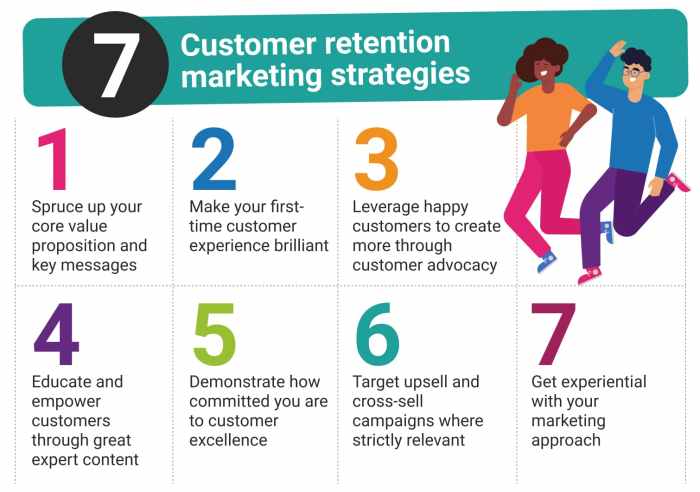
Customer retention plays a vital role in the success of any business. It is much more cost-effective to retain existing customers than to acquire new ones. A strong sales strategy for customer retention can help businesses build long-lasting relationships with their clients, leading to increased loyalty and repeat business.
Key Components of an Effective Sales Strategy for Customer Retention
- Personalized Customer Interactions: Tailoring interactions and communication to meet the individual needs and preferences of customers can greatly enhance customer retention.
- Consistent Follow-Up: Regular follow-up and communication with customers after the sale can show that you value their business and keep your brand top-of-mind.
- Exceptional Customer Service: Providing excellent customer service can set your business apart from competitors and encourage customers to stay loyal.
- Reward Programs and Incentives: Offering rewards, discounts, or incentives to repeat customers can increase retention rates and encourage future purchases.
Different Techniques to Improve Customer Retention through Sales Strategies
- Implementing Customer Relationship Management (CRM) Systems: Utilizing CRM systems can help businesses track customer interactions, personalize communication, and identify opportunities for upselling or cross-selling.
- Creating Loyalty Programs: Developing loyalty programs that reward customers for their repeat business can foster long-term relationships and increase customer retention.
- Sending Personalized Communication: Sending personalized emails, messages, or offers based on customer preferences and purchase history can make customers feel valued and appreciated.
Examples of Successful Sales Strategies for Customer Retention in Different Industries
- Amazon Prime: Amazon’s subscription service offers free shipping, exclusive deals, and access to streaming services, incentivizing customers to remain loyal and make repeat purchases.
- Starbucks Rewards: Starbucks’ loyalty program rewards customers with free drinks, discounts, and personalized offers, encouraging repeat visits and purchases.
- Zappos’ Exceptional Customer Service: Zappos’ renowned customer service, including free returns and 24/7 customer support, has helped the company build a loyal customer base that keeps coming back for more.
Training for Sales Strategy
Sales training plays a crucial role in implementing a successful sales strategy by equipping sales teams with the necessary skills, knowledge, and techniques to effectively engage with customers, build relationships, and drive customer retention.
Role of Sales Training in Customer Retention
- Investing in sales training programs that focus on customer retention can help sales representatives understand the importance of nurturing existing customer relationships.
- These programs can provide training on active listening, problem-solving, and relationship-building techniques to enhance customer satisfaction and loyalty.
- By incorporating customer retention strategies into sales training, sales teams can better understand customer needs and preferences, leading to increased customer retention rates.
Examples of Sales Training Programs
- Customer Relationship Management (CRM) training programs that focus on using CRM tools to track customer interactions and personalize customer communication.
- Customer Success training programs that emphasize proactive customer engagement and post-sales support to ensure long-term customer satisfaction.
- Effective Communication training programs that teach sales reps how to communicate clearly, empathetically, and persuasively to build trust with customers.
Impact of Ongoing Training
- Ongoing sales training can improve sales team performance by keeping them updated on the latest sales techniques, market trends, and customer expectations.
- Continuous training can boost sales team morale, confidence, and motivation, leading to better customer interactions and increased customer retention.
- Regular training sessions can help sales reps identify new opportunities for upselling, cross-selling, and customer referrals to drive revenue growth and customer loyalty.
Best Practices for Integration
- Align sales training programs with the overall sales strategy and customer retention goals of the organization.
- Provide hands-on training, role-playing exercises, and real-life scenarios to help sales reps apply sales strategy principles in customer interactions.
- Encourage feedback, collaboration, and knowledge-sharing among sales team members to continuously improve sales skills and customer retention strategies.
In conclusion, mastering the art of customer retention through strategic sales approaches is key to sustained business success. By understanding the importance of retaining customers, implementing effective sales strategies, and continuously improving through training, businesses can thrive in competitive markets and build a loyal customer base for the long run.
FAQ Resource
Why is customer retention important in sales strategy?
Customer retention is essential as it costs less to retain existing customers than to acquire new ones, and loyal customers tend to spend more over time.
What are some effective techniques to improve customer retention through sales strategies?
Some effective techniques include personalized interactions, loyalty programs, proactive customer service, and regular follow-ups to maintain engagement.
How does ongoing training impact sales team performance and customer retention?
Ongoing training helps sales teams stay updated on the latest strategies, enhances their skills, boosts confidence, and ultimately improves customer interactions leading to better retention rates.
Can you share examples of successful sales strategies for customer retention in different industries?
Examples include offering exclusive deals, providing exceptional after-sales support, creating compelling loyalty programs, and focusing on building strong relationships with customers.


