
Embark on a journey into the realm of Sales Strategy for New Products, where we unravel the essentials in a captivating manner, drawing you in with each detail.
Delve deeper into the intricacies of launching new products and the strategies that pave the way for success.
Introduction to Sales Strategy for New Products
Having a well-defined sales strategy for new products is crucial for the success of a product launch. It helps in reaching the target audience, creating brand awareness, and ultimately driving sales. A strong sales strategy can make or break the success of a new product in the market.
Examples of Successful Sales Strategies for Launching New Products
- Apple’s launch of the iPhone: Apple created anticipation and excitement through teaser campaigns and exclusive events, generating buzz and demand for the product before its release.
- Coca-Cola’s introduction of Coca-Cola Zero: Coca-Cola positioned the new product as a healthier alternative to regular soda, targeting health-conscious consumers and promoting the product through various marketing channels.
Key Elements in a Sales Strategy for New Products
- Market Research: Understanding the target market, consumer needs, and competitors is essential for developing a successful sales strategy.
- Product Positioning: Clearly defining the unique selling points and benefits of the new product to differentiate it from competitors in the market.
- Pricing Strategy: Determining the pricing strategy based on market demand, production costs, and competitor pricing to maximize profitability.
- Distribution Channels: Identifying the most effective distribution channels to reach the target audience and ensure product availability.
- Promotional Tactics: Developing a comprehensive promotional plan that includes advertising, PR, social media, and other marketing efforts to create awareness and drive sales.
Understanding the Market
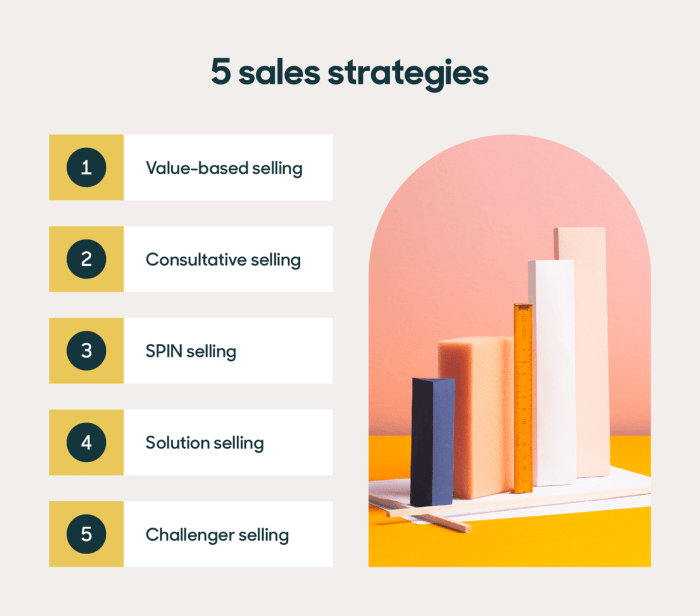
In order to successfully launch a new product, it is crucial to understand the market in which it will be introduced. This involves conducting thorough market research to identify target customers, utilizing market segmentation to develop a targeted sales strategy, and analyzing the competition to shape the overall approach.
Market Research and Identifying Target Customers
Market research is the process of gathering and analyzing information about the target market, including customer preferences, behaviors, and needs. This data helps in identifying the specific demographic, psychographic, and geographic characteristics of the ideal customer for the new product. By understanding the target customers, businesses can tailor their marketing and sales efforts to effectively reach and engage with them.
Market Segmentation for Targeted Sales Strategy
Market segmentation involves dividing the overall market into smaller, more defined segments based on similar characteristics or needs. This allows businesses to create a targeted sales strategy that caters to the specific preferences and requirements of each segment. By customizing marketing messages, pricing strategies, and distribution channels according to different segments, companies can increase the effectiveness of their sales efforts and maximize profitability.
Role of Competitive Analysis
Competitive analysis is essential for shaping a sales strategy for new products as it provides insights into the strengths and weaknesses of competitors in the market. By evaluating the competitive landscape, businesses can identify opportunities for differentiation, positioning, and pricing strategies that set their product apart from others. Understanding the competitive environment helps in developing a unique value proposition and communicating it effectively to potential customers, ultimately driving sales and market share.
Product Positioning and Value Proposition
Product positioning is the strategic process of defining how a product stands out in the market and how it is perceived by target customers. It involves creating a unique space for the product in the minds of consumers relative to competitors. This is crucial in sales strategy as it helps differentiate the product, attract the right audience, and drive purchasing decisions.
Examples of Effective Product Positioning Strategies
- Targeting a specific niche market: By focusing on a particular segment of the market, such as eco-conscious consumers or tech-savvy individuals, a new product can position itself as the go-to solution for that specific group.
- Highlighting unique features or benefits: Emphasizing what sets the product apart from competitors, whether it’s superior quality, innovative technology, or exceptional customer service, can create a strong product positioning strategy.
- Creating an emotional connection: Associating the product with certain values or emotions that resonate with the target audience can help position it as more than just a commodity, but as a meaningful solution to their needs or desires.
Creating a Compelling Value Proposition
A value proposition is a statement that explains why a customer should choose a particular product over others in the market. To create a compelling value proposition for new products, companies should:
- Identify the target audience’s needs and pain points: Understanding what drives consumer behavior and what problems they are looking to solve can help shape a value proposition that addresses these specific concerns.
- Highlight the unique selling points: Clearly communicate the product’s key benefits and how it fulfills the customer’s needs better than competitors. This could be in terms of price, quality, convenience, or any other relevant factor.
- Evoke emotions and build trust: Connecting with customers on an emotional level and establishing credibility and trust through testimonials, guarantees, or endorsements can strengthen the value proposition and drive sales.
Sales Training
Sales training plays a crucial role in the successful implementation of a sales strategy for new products. It equips sales teams with the necessary knowledge, skills, and techniques to effectively promote and sell the product in the market.
Key Components of a Comprehensive Sales Training Program
- Product Knowledge: Sales reps should have a deep understanding of the new product, its features, benefits, and competitive advantages.
- Sales Techniques: Training should cover various sales approaches, objection handling, closing techniques, and relationship-building skills.
- Market Understanding: Educating sales teams on the target market, customer personas, industry trends, and competitor analysis is essential.
- Role-playing and Practice: Interactive sessions where sales reps can practice pitching the new product and receive feedback are valuable.
- Continuous Learning: Sales training should be an ongoing process to keep the team updated on product updates, market changes, and sales best practices.
Sales Training Techniques for New Product Launches
- Simulations: Creating simulated scenarios where sales reps can practice selling the new product in a controlled environment.
- Case Studies: Sharing success stories or case studies of how the new product solved a customer’s problem can inspire the sales team.
- Role-Playing: Encouraging sales reps to role-play different sales situations helps them refine their pitch and overcome objections.
- Shadowing: Pairing new sales reps with experienced ones during customer meetings to observe and learn from their interactions.
- Quizzes and Assessments: Testing sales reps’ knowledge of the new product and sales techniques through quizzes and assessments to ensure understanding.
Sales Strategy Execution
Executing a sales strategy for new products requires careful planning and implementation to ensure success. This involves a series of steps, monitoring performance metrics, and overcoming challenges along the way.
Steps in Executing a Sales Strategy
- Identify Target Audience: Determine the specific market segment or customer base that the new product is intended for.
- Set Clear Objectives: Establish measurable goals for the sales strategy, such as revenue targets, market share growth, or customer acquisition.
- Develop Sales Tactics: Create a detailed plan outlining the specific actions and techniques to be used in promoting and selling the new product.
- Implement Sales Training: Ensure that the sales team is equipped with the necessary knowledge and skills to effectively sell the new product.
- Monitor Performance: Regularly track key performance indicators (KPIs) to evaluate the effectiveness of the sales strategy and make adjustments as needed.
Monitoring and Adjusting Sales Strategy
- Track Key Metrics: Monitor important metrics such as sales volume, conversion rates, customer feedback, and ROI to assess the performance of the sales strategy.
- Collect Feedback: Gather input from the sales team, customers, and other stakeholders to identify areas for improvement and make necessary adjustments.
- Adapt to Market Changes: Stay alert to market trends, competitor actions, and customer preferences to make timely modifications to the sales strategy.
Overcoming Challenges in Sales Strategy Implementation
- Resistance to Change: Address internal resistance to new sales strategies by providing clear communication, training, and support to employees.
- Competitive Pressure: Develop unique selling propositions and value propositions to differentiate the new product from competitors and attract customers.
- Resource Constraints: Optimize resource allocation, prioritize key initiatives, and leverage available tools and technologies to maximize the impact of the sales strategy.
In wrapping up our discussion, we’ve explored the critical aspects of Sales Strategy for New Products, equipping you with the knowledge to navigate this dynamic landscape effectively.
Essential Questionnaire
How can I ensure my sales strategy aligns with the launch of new products?
By conducting thorough market research and understanding your target audience’s needs and preferences.
What role does competitive analysis play in shaping a sales strategy for new products?
Competitive analysis helps identify market gaps, differentiate your product, and set competitive pricing strategies.
Why is product positioning crucial in the sales strategy for new products?
Product positioning determines how your product is perceived in the market and influences consumer buying decisions.
How can sales training contribute to the success of a new product launch?
Sales training ensures your sales team is equipped with the knowledge and skills to effectively promote and sell the new product.
What steps are involved in executing a sales strategy for new products?
The steps include setting objectives, defining target markets, implementing sales tactics, and monitoring performance metrics.


